
Total: Rs. 0.00
Taxes and shipping calculated at checkout

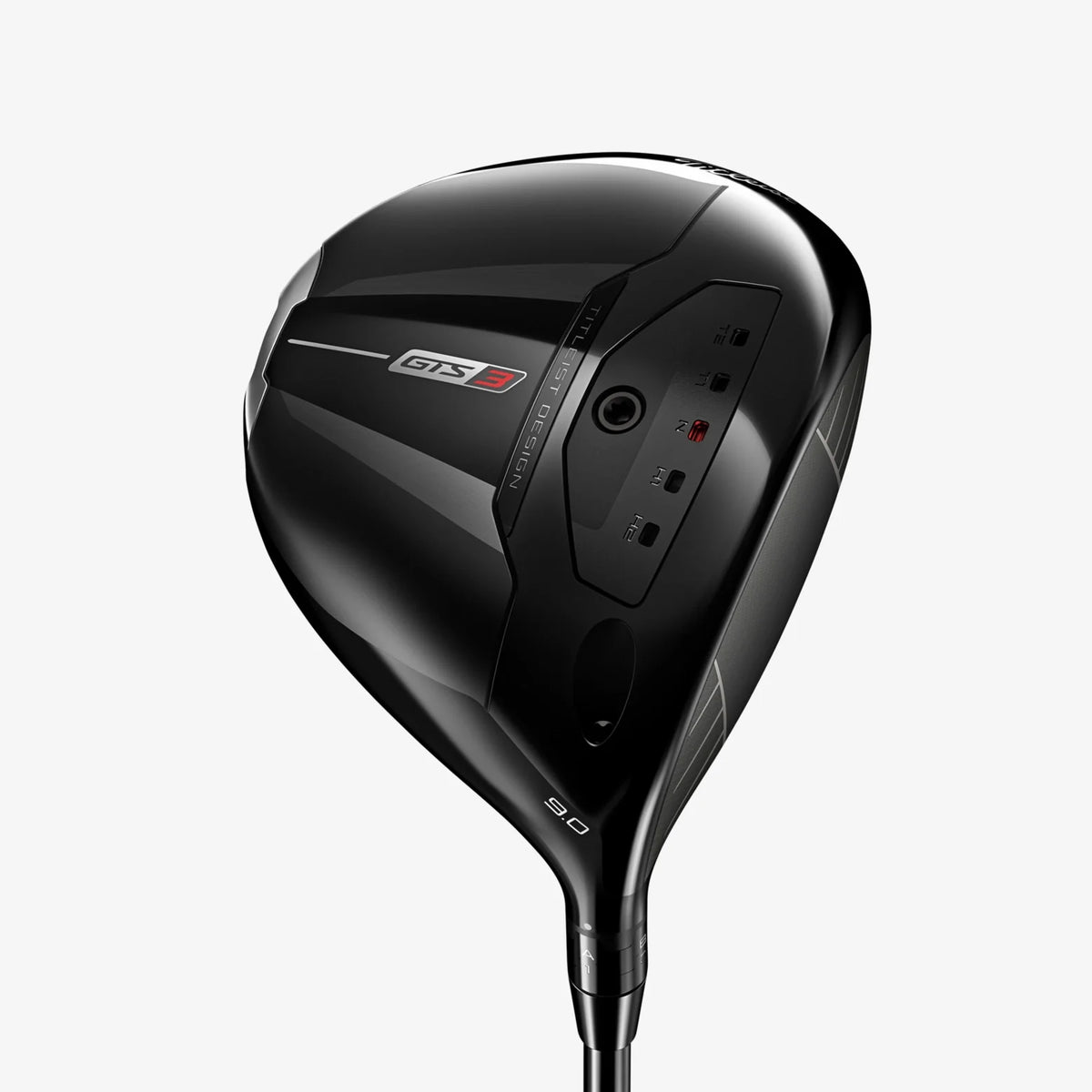
The driver is the most debated club in the bag — and for good reason. It sets the tone for every hole you play. A well-fitted driver gives you confidence on the tee box, more fairways hit, and shorter approach shots. A poorly matched driver can cost you 20–40 yards per drive and send the ball flying into places you'd rather not visit.
Whether you're a beginner buying your first driver or an intermediate player looking to upgrade, this guide walks you through every decision: loft, shaft, clubhead size, adjustability, and which drivers deliver the best performance at Golfying.
Loft is the angle of the club face, measured in degrees. It directly determines how high and how far the ball travels. The right loft depends on your swing speed:
Most beginners and recreational golfers in India will benefit from 10.5° or 12° of loft. When in doubt, more loft = more distance for most players.
Modern drivers max out at 460cc (the USGA limit) and most current models sit right at that limit. A larger head means:
Smaller heads (430–440cc) provide more workability — the ability to shape shots — which suits better players. Beginners and mid-handicappers should stick with a 460cc head.
The shaft is arguably the most important part of the driver — yet it's often overlooked. Key shaft variables include:
Lighter shafts (40–55g) promote higher swing speed — helpful for slower swingers. Heavier shafts (65–80g) provide more control and suit stronger or faster players. Most stock driver shafts weigh 50–60g, which suits a wide range of golfers.
Low kick point shafts flex near the tip, promoting a higher launch angle — ideal for beginners. High kick point shafts produce a lower, more penetrating trajectory, preferred by tour players and fast swingers.
Most modern premium drivers (TaylorMade, Callaway, Titleist) come with adjustable hosels that let you change loft, lie angle, and face angle. This is a genuine advantage if:
For beginners, adjustability is a nice-to-have. Focus on the correct loft and shaft flex first — you can fine-tune later.
The SIM2 Max is one of TaylorMade's most popular drivers — and for good reason. It's engineered for maximum forgiveness with a Forged Ring Construction that repositions weight to the perimeter, dramatically increasing MOI. The Inertia Generator at the back optimises aerodynamics for faster clubhead speed. It's available in multiple lofts (9°, 10.5°) and comes with TaylorMade's Fujikura Ventus shaft.
Best for: Mid-handicappers who want forgiveness with distance.
Loft options: 9°, 10.5°
Available at: Shop TaylorMade Drivers at Golfying
Callaway's Rogue drivers are built around their Jailbreak technology, which stiffens the clubhead structure to transfer more energy to the ball at impact. The result is exceptional ball speed, especially on off-centre hits. The Rogue series offers models across forgiveness levels, from the Max (maximum forgiveness) to the ST (tour-inspired performance).
Best for: Golfers wanting a blend of distance and forgiveness.
Available at: Shop Callaway Drivers at Golfying
Titleist's TSR (Titleist Speed & Responsiveness) line is built around tour-level precision. The TSR2 is the most popular model, offering high MOI and consistent ball speeds across the face. If you're a better player who values workability and control over pure forgiveness, the TSR3 or TSR4 may suit you.
Best for: Lower handicap players seeking precision and control.
Available at: Shop Titleist Drivers at Golfying
Driver technology improves every 2–3 years, but the gains from one generation to the next are often marginal for recreational golfers. A previous-generation driver from TaylorMade or Callaway (like the SIM2 Max) can offer excellent performance at a lower price point than the latest model. This is worth considering if budget is a factor.
Professional fitting on a launch monitor (Trackman, FlightScope) is the gold standard for choosing a driver. However, if you don't have access to fitting, these guidelines will get you close:
Most beginners in India should start with a 10.5° or 12° driver. Higher loft helps slower swing speeds launch the ball at an optimal angle for maximum distance and carry.
Always graphite in a driver. Steel shafts are too heavy for drivers and would dramatically reduce your swing speed and distance. All modern drivers come with graphite shafts.
If you play regularly (once or twice a week), consider upgrading your driver every 5–7 years. Technology does advance, but the improvements between annual generations are usually incremental. A well-fitted 3–5 year old driver from a premium brand still performs extremely well.
The SIM2 Max's primary advantage is its exceptional forgiveness on off-centre hits, thanks to its Forged Ring Construction and Inertia Generator. It's one of the most forgiving drivers TaylorMade has ever made.
Choosing the right driver comes down to matching loft and shaft flex to your swing speed — then picking a head that inspires confidence. Browse our full selection of golf drivers at Golfying, with Pan-India delivery and expert support to help you make the right call.


